Stolen Past2024-2025
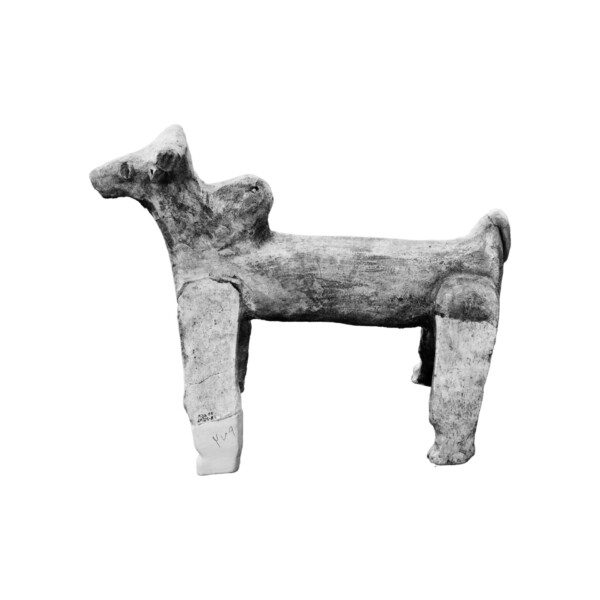
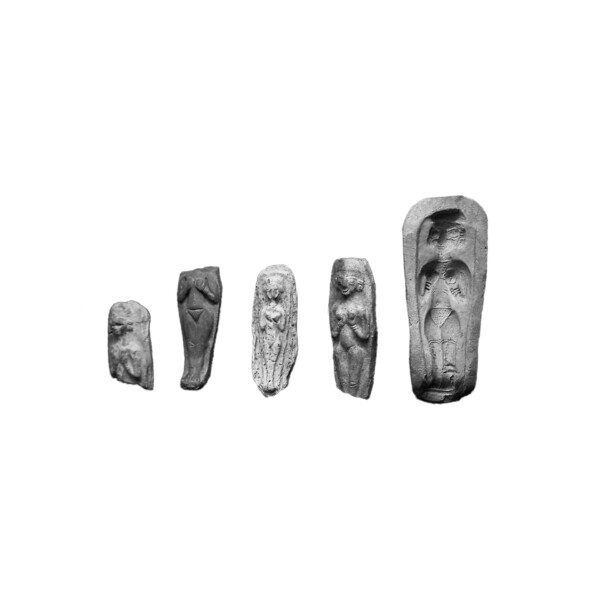
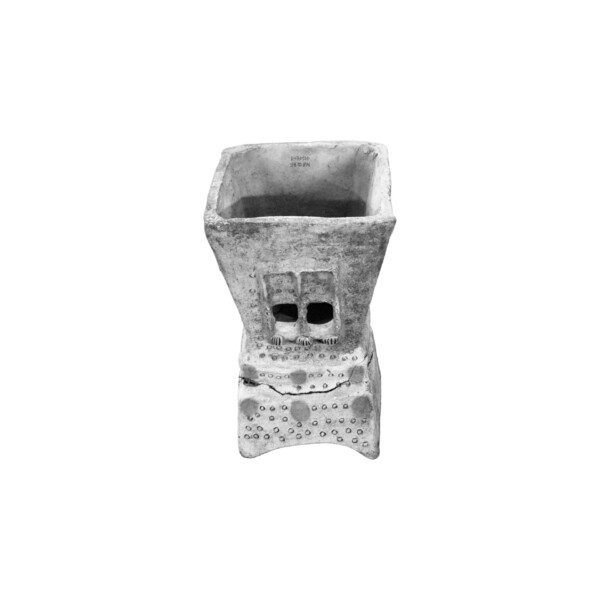
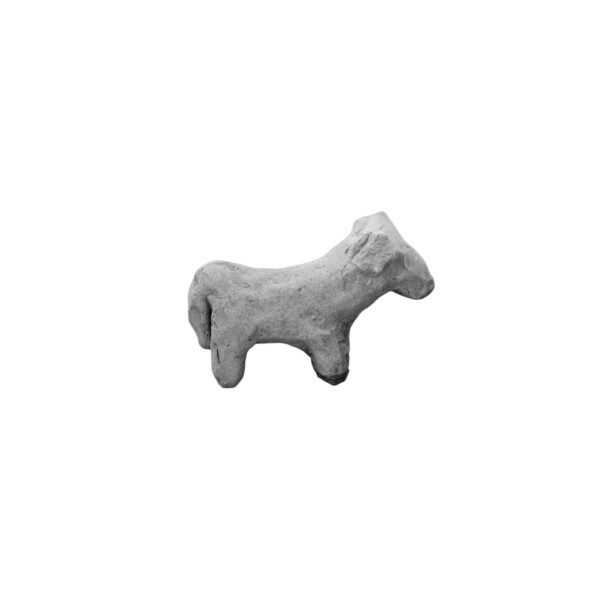
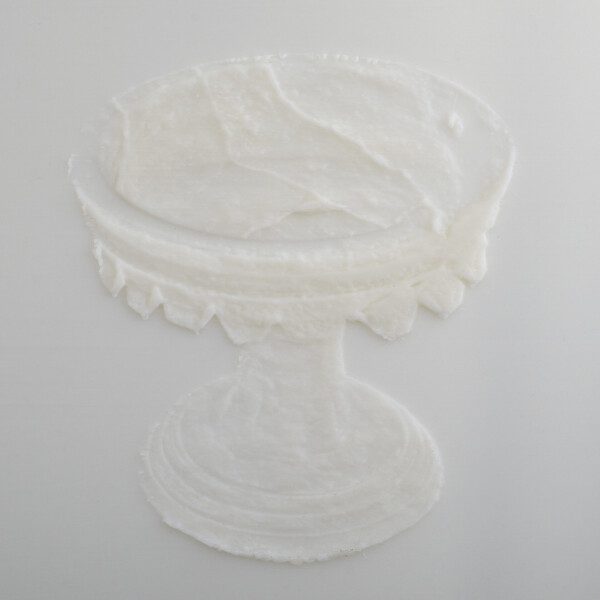
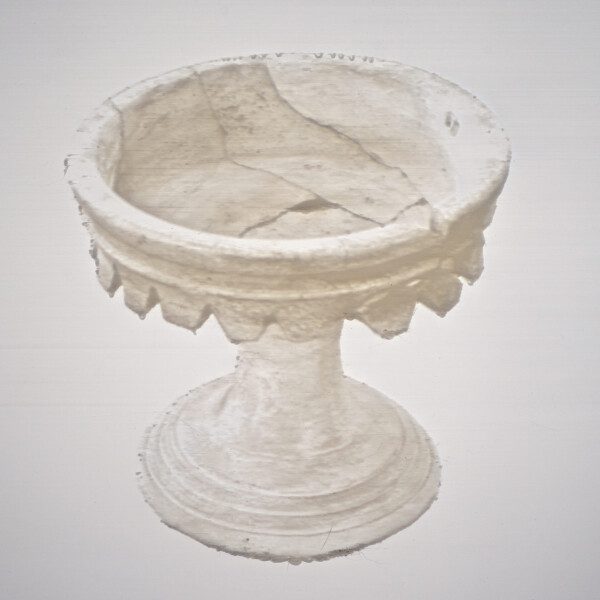
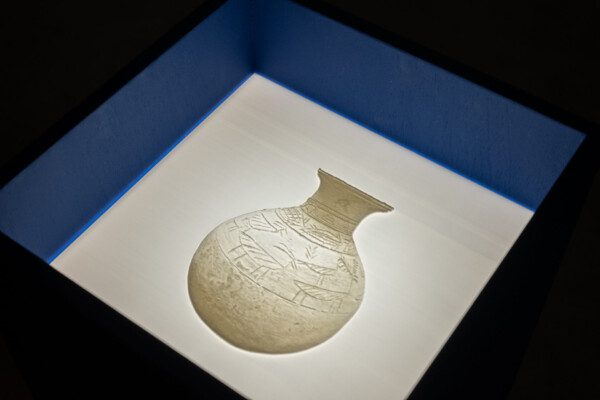
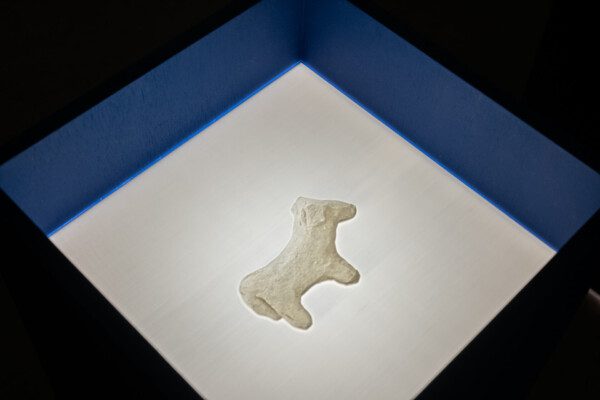
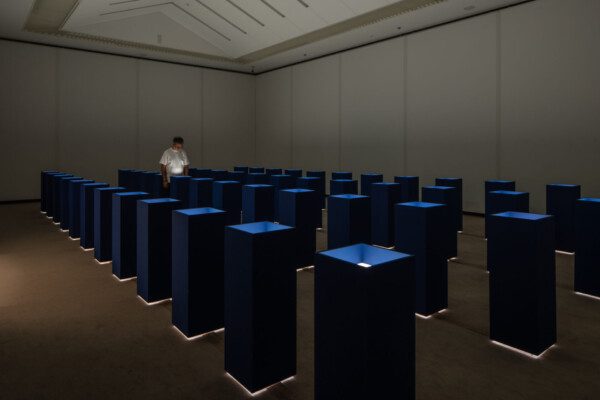
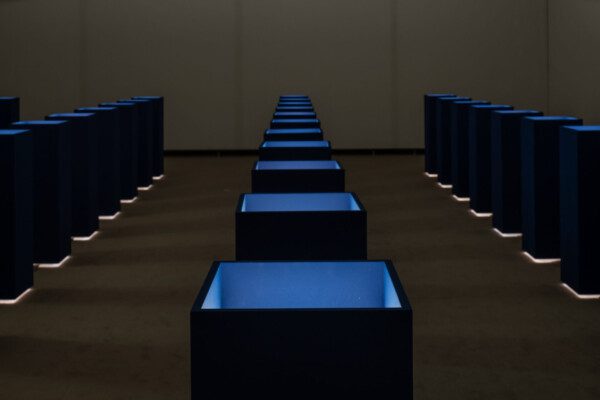
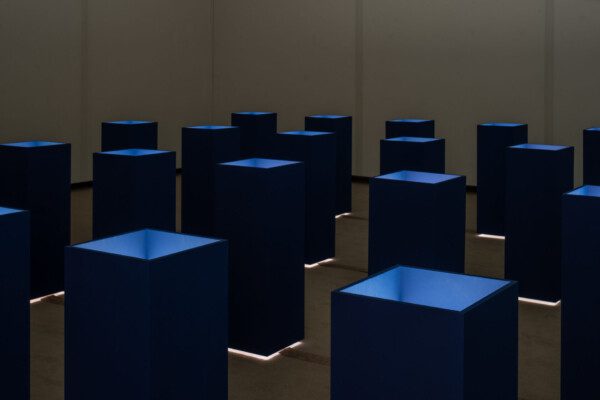
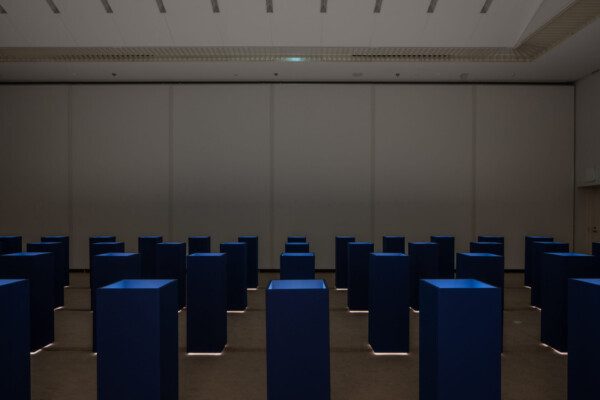
Installation of 90 30x30cm lithophanes on wooden plinths, backlit.
The Raqqa Museum, located on the Euphrates River in Northern Syria, was established in 1981 to preserve the rich cultural heritage of the region. The museum housed over 8,000 artefacts, showcasing the region’s history of Northern Syria from Mousterian flint axes (ca. 40,000 BC) to the famous Raqqa Ware pottery of the Medieval period.
However, in 2013, Islamic State (IS) took control of Raqqa, and systemically pillaged the entire collection of both the museum and its Heraqla storehouse – some works were destroyed, others sold on the illegal international antiquities market to fund their caliphate. By the time IS was defeated in 2017, the collection had been reduced to 880 objects.
Despite the devastation, local efforts to rebuild the museum began in 2019. By 2022, an inventory project was launched to catalogue the surviving artefacts and improve storage conditions, highlighting the resilience of the Raqqa community and their dedication to cultural preservation for future generations. Today, the museum has around 40 pieces on display.
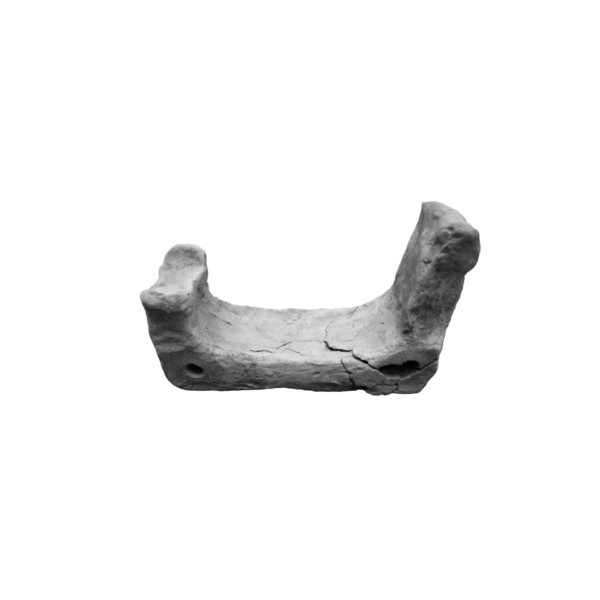
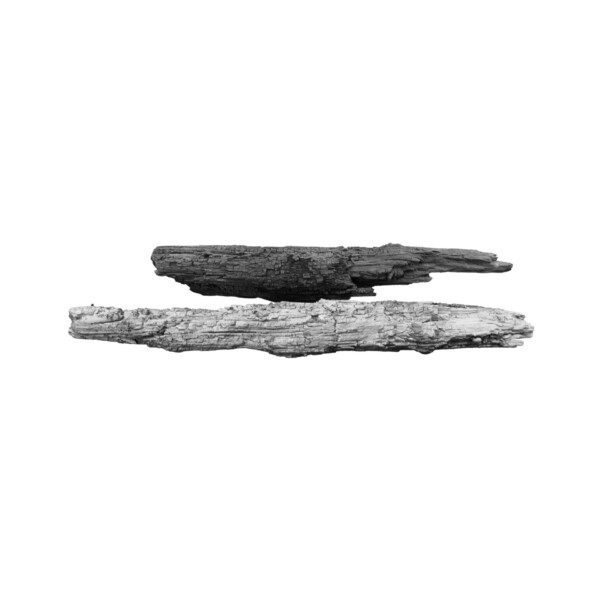
The “Stolen Past” installation consists of a series of 90 backlit ‘lithophanes’ of the looted and destroyed pieces, based on simple photographs taken in haste on their phones by the Raqqa archaeological team when IS was at their door. When backlit, lithophanes cause an image to appear that look like a black-and-white photograph, in this case symbolising the ongoing presence of our Stolen Past.